
Places of interest in Sicily
Foreign rulers, like the Romans, the Greeks, the Elymians, the Normans and Arabs, all left their mark on Sicilian culture. Today you can still visit many of the temples, churches, (amphi)theaters and castles that are part of Sicilian history. Many of these cultural places of interest in Sicily can be easily reached from the coastal towns of Balestrate, Castellammare del Golfo and Trappeto
On this page you’ll find information about the following places of interest in Sicily: Agrigento, Caccamo, Calatafimi, Cefalù, Erice, Gibellina, Marsala and the salt pans, Monreale, Montelepre, Palermo, Salemi, Scopello, Segesta, Selinunte, Solunto and Caccamo.
Places of interest in Sicily
Foreign rulers, like the Romans, the Greeks, the Elymians, the Normans and Arabs, all left their mark on Sicilian culture. Today you can still visit many of the temples, churches, (amphi)theaters and castles that are part of Sicilian history. Many of these cultural places of interest in Sicily can be easily reached from the coastal towns of Balestrate, Castellammare del Golfo and Trappeto
On this page you’ll find information about the following places of interest in Sicily: Agrigento, Caccamo, Calatafimi, Cefalù, Erice, Gibellina, Marsala and the salt pans, Monreale, Montelepre, Palermo, Salemi, Scopello, Segesta, Selinunte, Solunto and Caccamo.
Segesta
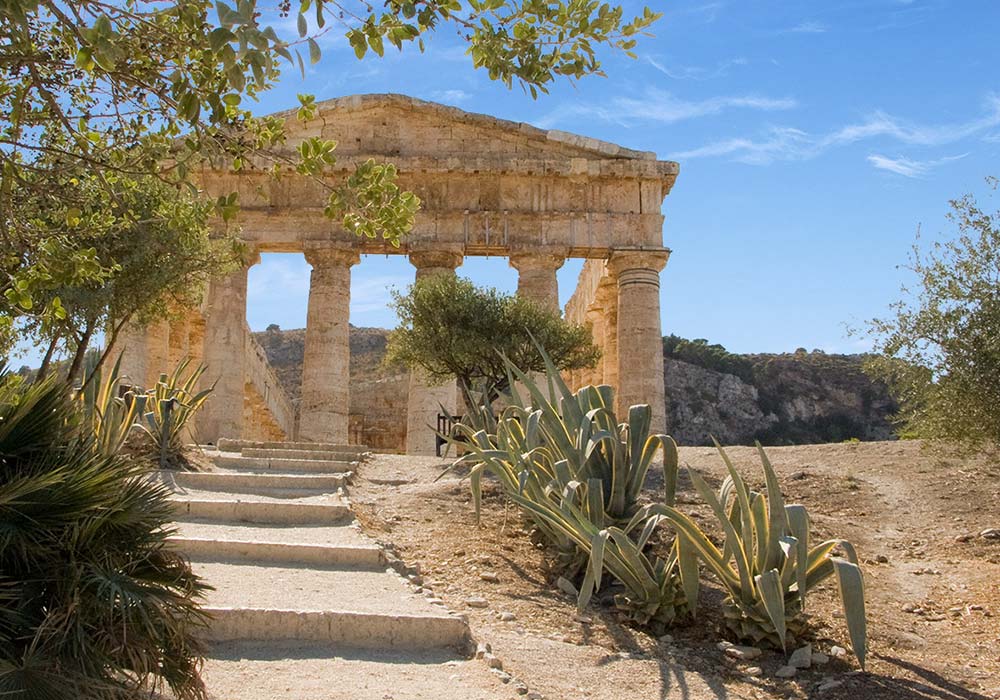
Segesta can easily be reached from the coastal towns of Balestrate, Castellammare del Golfo and Trappeto, either via the highway (exit Segesta) or the more beautiful SS113. The two attractions are a temple and a theater dating from the 3rd century BC. These are the only two remains of the city of Segesta which was founded by the Elymians. When Troy was destroyed, the Elymians escaped to Sicily and with the help of the Romans and later the Greeks, they succeeded in making Segesta become an influential city and the biggest rival of the city of Selinunte.
The Doric temple is located in a beautiful location, at the foot of the Monte Barbaro, and is still very well preserved. The fact that the temple was never covered with a roof and that there are no signs of a cella (the inner chamber of a temple) ever being constructed, suggest that the temple was never finished. It is very remarkable that it withstood several pillages. The positioning of the theater is very special compared to all other amphitheaters, in that it points to the North. This is probably because of the splendid view over the valley and the Golfo di Castellammare. In the summer months, you can see a variety of cultural events (live music, plays, etc) in this beautiful theater. You can reach the amphitheater on foot but on hot days we recommend taking the bus, which departs near the ticket offices of the park..
Erice
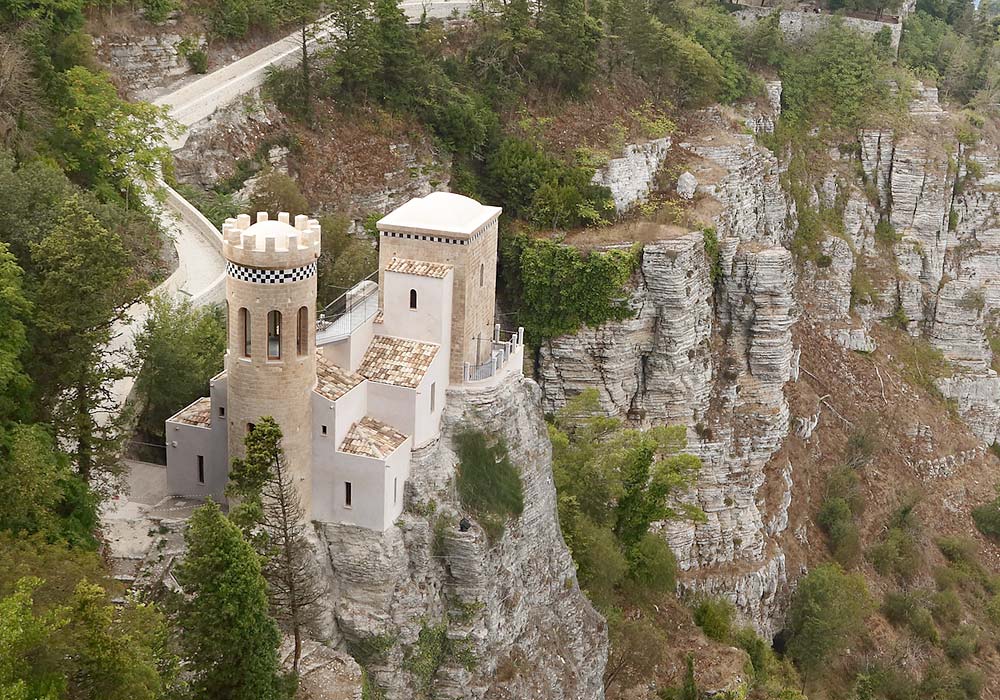
On the 750 meter high rocky mountain Monte Erice, you will find the picturesque Medieval town of Erice (visit our blog for more photos). The town has many churches, but the most famous one is the Chiesa Matrice, built in 1314 AD. The church has a separate clock tower, the campanile, which served primarily as a watchtower. You can climb this tower to have a fantastic view over Trapani, Marsala and the saline (salt pans) and the Egadi islands Favignana, Levanzo and Marettimo. We recommend buying a day pass which gives you access to the tower, several churches, and museums.
Erice has always been protected by its thick walls and the Normand castle Pepoli e Venere, which is now beautifully lit in the evening. In the summer months many local events are organized, making a visit to Erice even more interesting.
You can reach Erice by car or by funivia, a cable railway that will take you from Trapani close to the entrance gate of Erice.
Selinunte
Selinunte, Selinous during the Greek period, is not as well known as the Valle dei templi in Agrigento, although it is one of the largest archaeological parks in Europe.
At one time, Selinunte was an important city, but was reduced to a place of little or no importance after the Carthageans attacked in 250 BC There are remains of 6 Doric temples, one of which is still standing.
But probably the most impressive part of the park are the remains of the city itself! Walking through the small streets of the city you can get a good idea of what it might have been in the glory days. From the city center, which is located close to the beach, you have a terrific view of the sea. We are sure that you will agree that this archaeological park is really worth the visit!

Marsala and the saline
Marsala is a coastal city located in the South-west of Sicily and is famous for its delicious wines. The city’s name derives from the Arabian Mars-el-Allah, meaning “Harbor of God”. The city center was partly destroyed during WWII and the harbor played a huge role in Italian history. It was here that Garibaldi and his mille (a 1000 men strong militia) landed in the year 1860, to start the armed struggle to unify Italy, known as the Risorgimento.
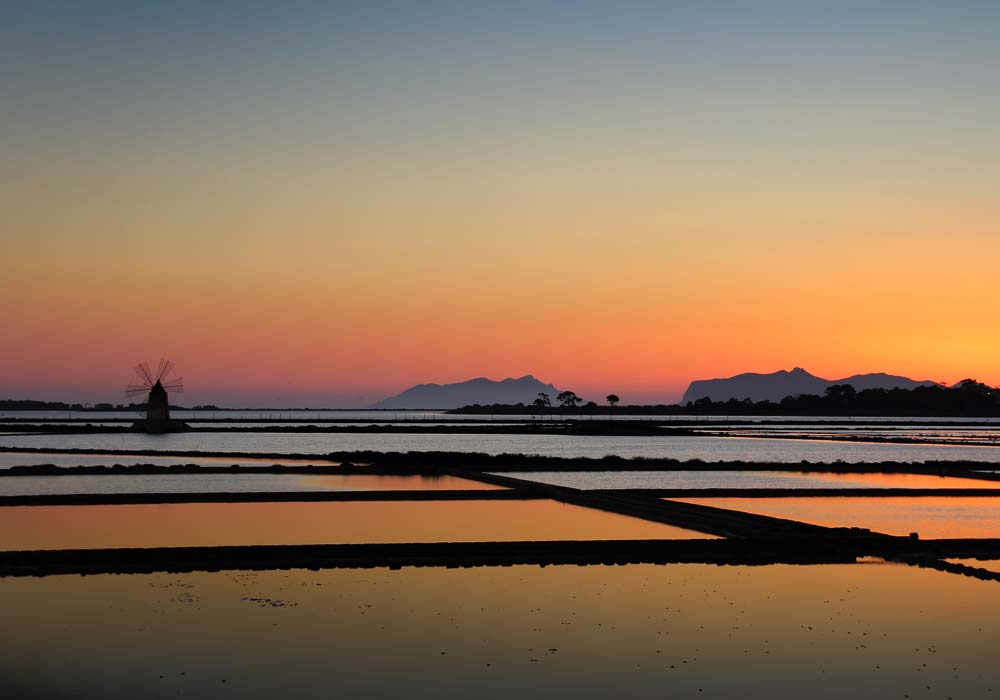
It is recommended that you visit Marsala in the morning. The market between the Piazza Addolorata and the Piazza del popolo is well worth a visit as are a few of the museums. There are two important museums, one of which is the archaeological museum of Capo Lilybeo, which is located near the sea. Follow the road from Marsala in the direction of Trapani and you will see signs pointing you in the direction of the saline. These are salt pans where sunlight is used to evaporate seawater, so they end up with salt. Following the coast, you will see the azure blue sea and the Egadi Islands, like Favignana and Levanzo, but also smaller islands, like the island of Mozia, which can be reached by boat from the saline. The area is dominated by typical Spanish windmills and in one of them, the salt museum is located. Near the salt museum there is a small bar where you can enjoy both a cold drink and a lovely sunset. It’s nice to visit this area especially on the hotter days when the sea breeze is both relaxing and refreshing!
Solunto
Solunto is not as well known as Segesta and Selinunte, but it is definitely worth a visit. The remains of this city, founded by the Phoenicians, are located on a cliff above the water, where you’ll have a magnificent view of the sea. Solunto was an important settlement of the Carthaginians, until 254 BC, when they were driven away by the Romans.
You can still see the remains of several roads, walls and pillars of the old city and you can admire some mosaics and frescoes in the ruins of a patrician house. Of the gymnasium only a part of the colonnade is preserved. Via the main road you will reach the remains of the agora (square / meeting place), a theater and a well. In the museum, at the entrance of the park, various archaeological finds are displayed.

Monreale
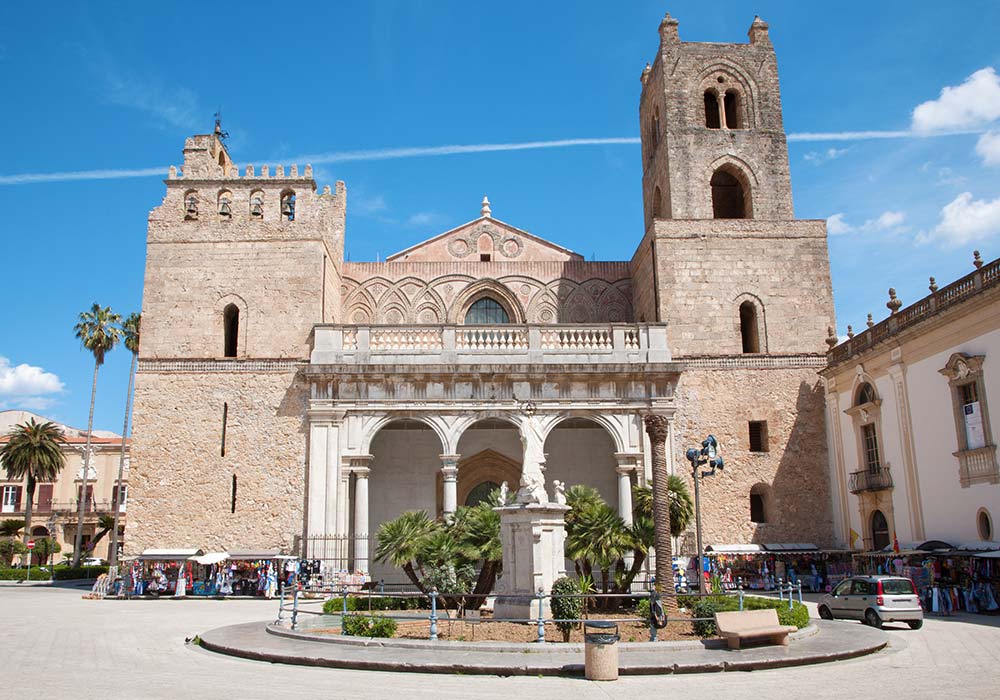
Monreale is famous for its magnificent cathedral, which was built by order of William II in the spot where his father, William I, supposedly had found a treasure.
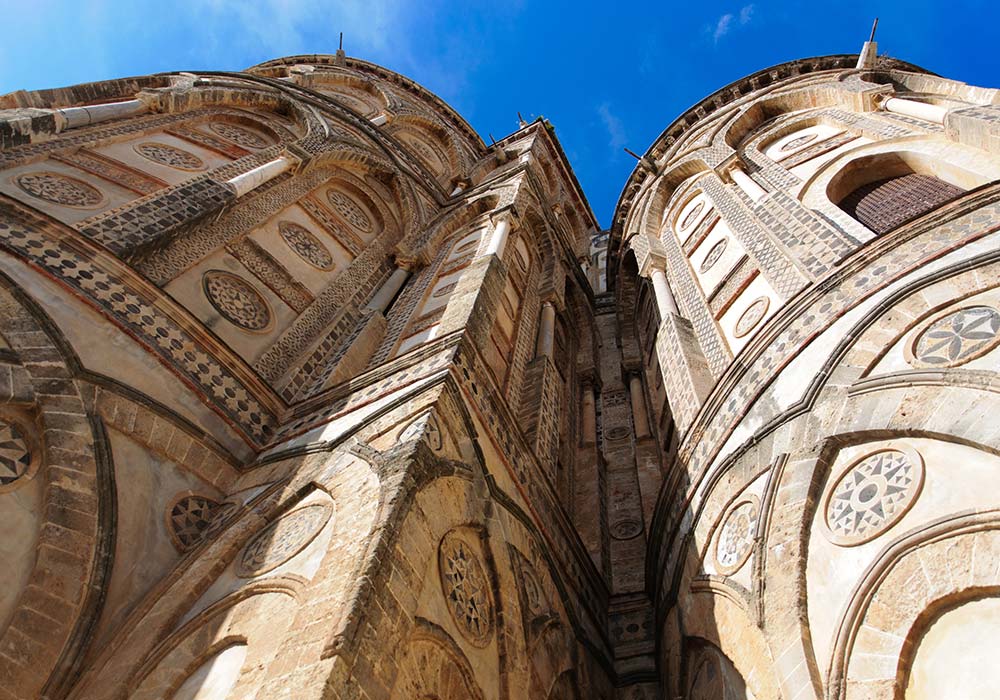
Monreale’s Cathedral is one of the greatest examples of Norman architecture in the world. The 18th Century portico is flanked by two towers, one of which was damaged by lightning in 1807. The door panels in the portico were made by Bonanno di Pisa in the 12th Century.
The inside of the cathedral is even more beautiful. It took 15 years to complete the mosaics, which cover a large part of the cathedral’s interior. These mosaics are very impressive. From the cathedral you can access the cloister. In one of the corners you will see a fountain. According to a myth, women who wash their hands in the water of this fountain will become 10 years younger. Another reason to visit Monreale! From a park located behind the cathedral you’ll have a great view over Palermo and in the tourist season there is a great bar selling their homemade granita (see cuisine page). A visit to Monreale can be easily combined with a visit to Palermo. From the mountain road you can see the valley with Monreale, Palermo and all its suburbs.
Palermo
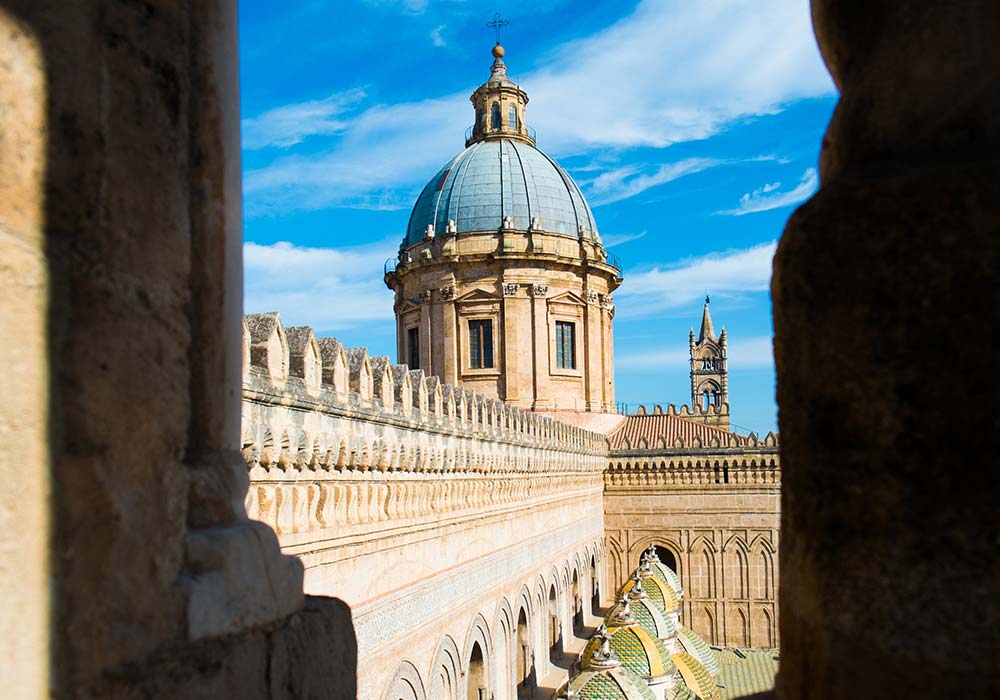
Sicily’s capital Palermo, with its 750,000 inhabitants the fourth city of Italy, is known for its rich culture. It is impossible to visit all the historical places of interest in one day, but even in one day, you will be able to see how all of the rulers left their mark on the city.
You will find a mixture of different architecture from several different periods in the city’s history, which makes a visit to Palermo such an interesting one. TIP: Visit our blog for an elaborate photo tour through this beautiful city!
Important places of interest are: the Palazzo dei Normanni (Palazzo Reale), the cathedral, the Quattro canti, the Teatro Massimo, the Politeama theater, Piazza marina, the famous park near the coast and the Santa Maria della Catena, the Palazzo Abatellis and the teatro / museo dei puppi (puppet theater with typical Sicilian marionettes, the puppi), the Catacombs and the botanical gardens.
Cefalù
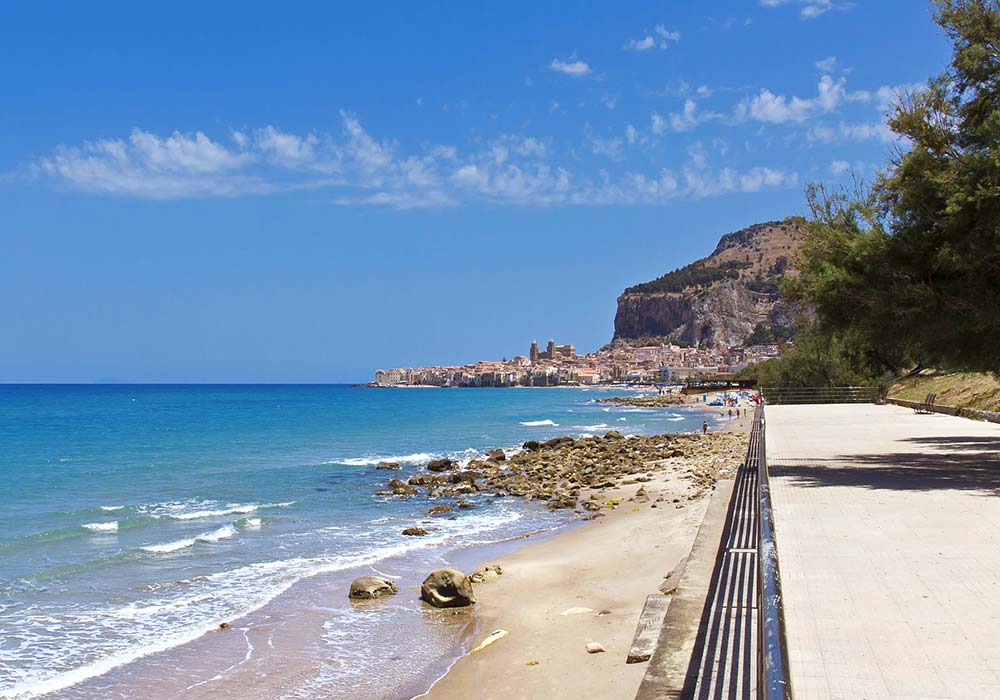
Cefalù is a beautiful coastal town, East of Palermo. The Norman cathedral, built in the 12th Century towers above Cefalù and can be seen from afar.
Cefalù, with its small streets, is clearly a Medieval town and the Porta Marina is the last remaining, original entrance gate. Through this gate you’ll have a wonderful vistas of the sea and Cefalù’s harbor. Another famous attraction is the Medieval wash-house, where not too long ago, the older women of Cefalù still went to wash their clothes. The cathedral and the Museo Mandralisca (art museum) are also worth the visit.
If you fancy a nice walk, you can climb the rocca, the rocky mountain, at the foot of where Cefalù is located. From there you’ll have a fantastic view and you can visit the remains of a 13th Century castle.
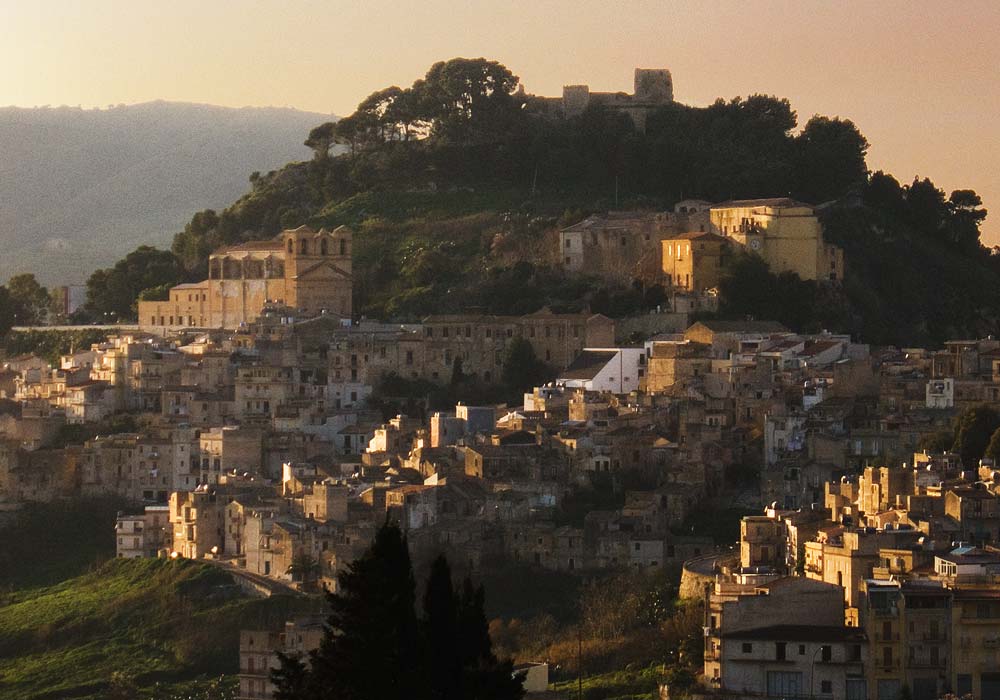
Caccamo
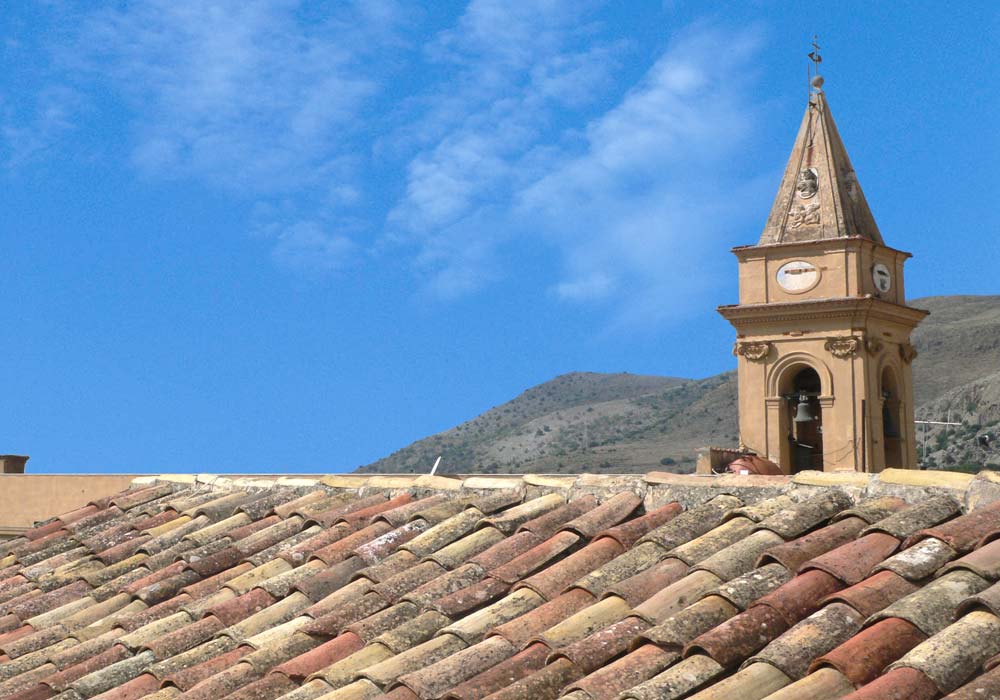
There are more than 200 castles in Sicily! One of the most beautiful examples of a Norman castle is the one in Caccamo. The castle is built on a large rock an overlooks the valley. Close to the entrance gate a group of local volunteers has authentically decorated a small house. In this small museum you can see how the people lived in the old days and if you speak a little Italian, the volunteers are more than happy to tell you more about the town’s history. You will be surprised to see that entire families lived in small house like this, which by today’s standards, would not be suitable for more than two people. At the end of the tour, you can purchase typical, local products.
For a town with only 8500 inhabitants, Caccamo has a surprising number of churches: 46 in total! In the valley you’ll see Sicily’s biggest artificial lake. You can arrive there via the Ponte Chiaramontano, a 12th Century bridge crossing the river the San Leonardo.

Montelepre
In the 15th Century Montelepre was a very fertile area. In 1429 it was purchased by the Bishop of Monreale. Because many bandits in the area disturbed the peace and many vegetables and fruits were stolen from the land, the bishop built a tower in 1435, which was permanently manned. The tower, called Torre Ventimiglia, made the inhabitants of the area feel safe, so soon they begun to build their homes around the big stone tower. The town of Munchilebbi, later called “Montelepre”, was born!
In the years following World War II, Montelepre was known for its bandit Salvatore Giuliano, who fought for an independent Sicily. In Montelepre you can still find several monuments in memory and honor of the policemen, carabinieri and soldiers who were killed in those times by Giuliano and his men.
The most beautiful route to Montelepre, is the one via the coastal road from Castellammare del Golfo to Terrasini. Via a mountain road you can drive to the town of Carini. Near the top, there is an opportunity to go for a hike on the Monte Saraceno, or to have a picnic in the Bosco di Santa Venera on the Montagna Longa, fitted with tables and a barbecue area.
Gibellina and Gibellina Nuova
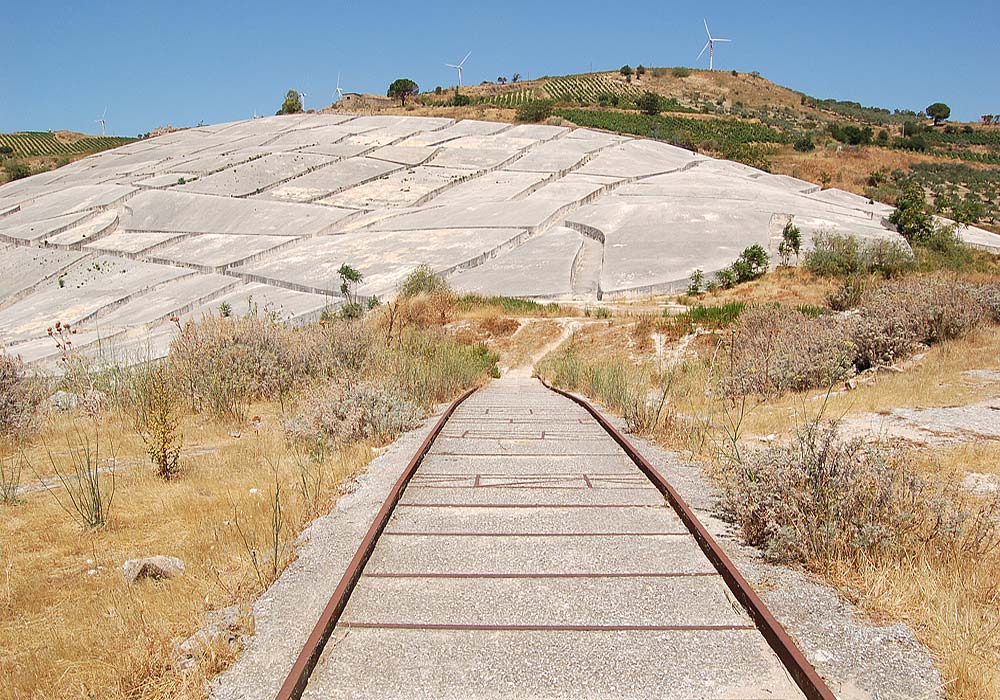
Gibellina, a small town that was built on a slope, was completely destroyed in 1968 when a severe earthquake struck the Valle del Belice. After the disaster, only a few walls were left standing. The artist Alberto Burri made a wonderful piece of art from the remains of Gibellina. Large concrete plateaus show you where the houses once stood. To see this memorial, you need to follow the signs for “Ruderi di Gibellina”.
Gibellina nuova
After the earthquake they decided to rebuild the town 18 kilometers away, on a flatter piece of land. The most famous work is the impressive concrete star at the entrance of Gibellina, which was designed by the artist Consagra. The Chiesa Madre, a large white sphere, is perhaps the most remarkable church in Sicily! In a 19th century farm house you’ll find the Museo delle Trame mediterranee. This museum has many archaeological finds on display, but you can also admire the works of contemporary artists who have contributed to the reconstruction of Gibellina.
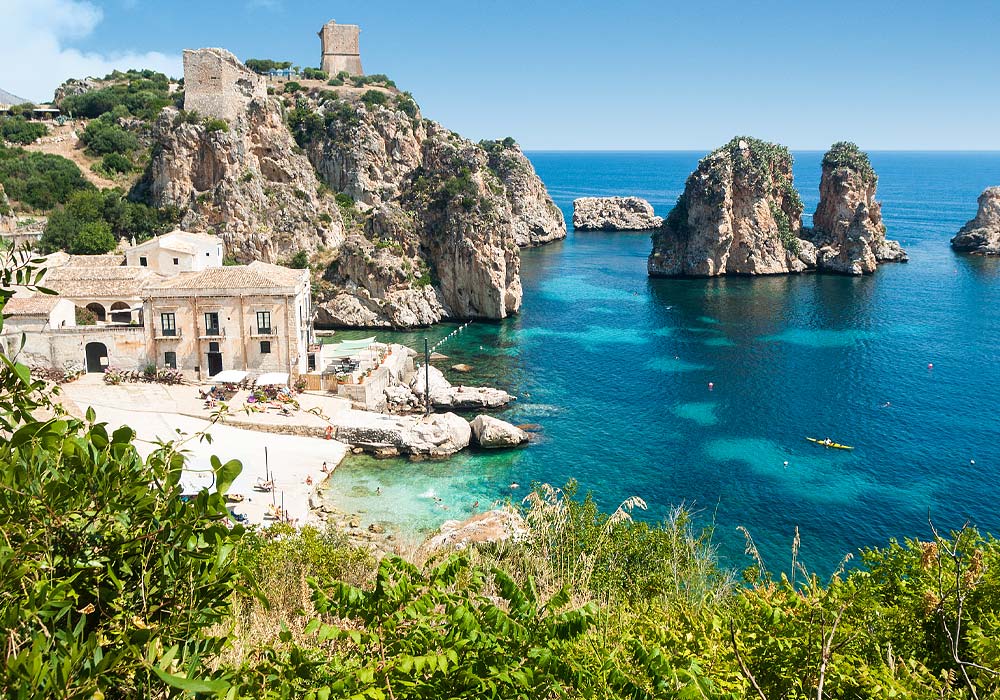
Scopello
Scopello (from the Greek “Skopelos” meaning “cliff”) is located near the sea, on the slopes of the Monte Sparagio. From the town you’ll have a view of the nature reserve Lo Zingaro and the Golfo di Castellammare. TIP: Visit our blog for more photos of this picturesque town!
Scopello was once famous for tuna fishing, but now that’s nothing more than a vague memory of the past. However, Scopello, undoubtedly thanks to its small size, managed to keep its authentic atmosphere.
In Scopello you’ll find a nice baglio from the 16th century, which accommodates ceramics boutiques, a bar and a restaurant in the shadow of a large eucalyptus. If you’d like to try the delicious pani cunzatu (a typical local bread which is filled with tomatoes, onion, anchovies and herbs) or the sfincione, the Sicilian equivalent of the widely famous pizza, then you should definitively go to the village’s baker who bakes his bread in a wood burning oven. You can enjoy this typical food in the bakery’s garden. Close to the village there’s the old tonnara, where you can go for a swim and where you’ll also find traces of the tuna fishing activity. The rusty anchors, to which the tuna nets were attached, indicate the former use of this site. In the eighties of the last century, tuna fishing near Scopello came to an end. At the Tonnara we organize several diving activities, such as the sea baptism (see: diving in Scopello).
Agrigento
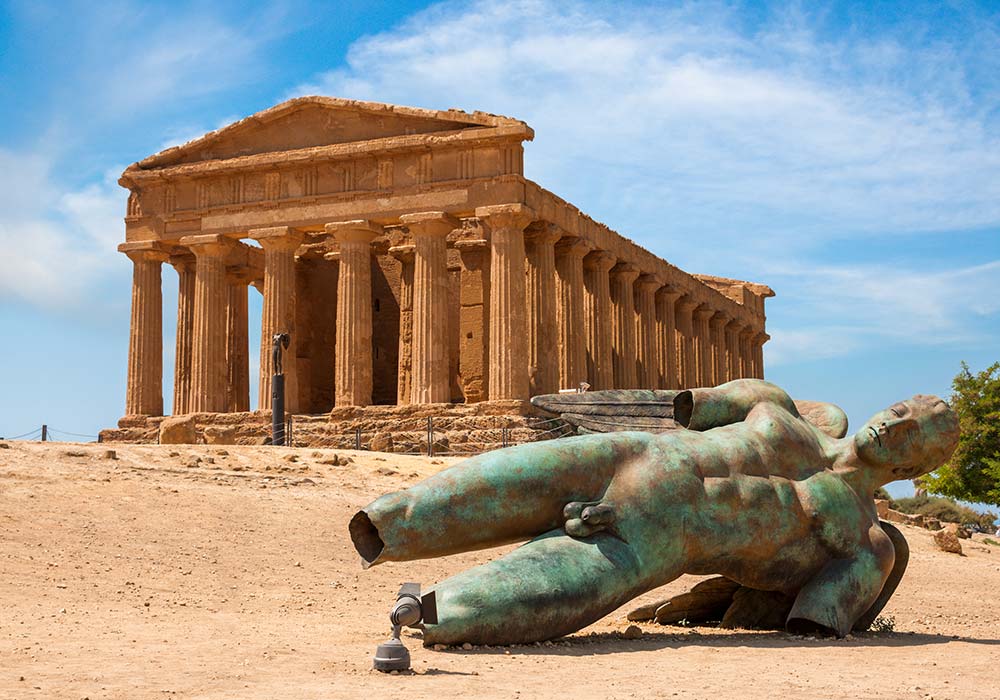
Agrigento was founded by the Greeks and was called Akragas. Unfortunately, the beautiful city was later almost all destroyed by the Carthageans.
Fortunately, several temples have survived in the Valle dei Templi (temple valley). Next to the park are many other interesting findings including a garden with rare plants and trees that are maintained by a group of enthusiasts. This garden is certainly worth the visit.
Salemi
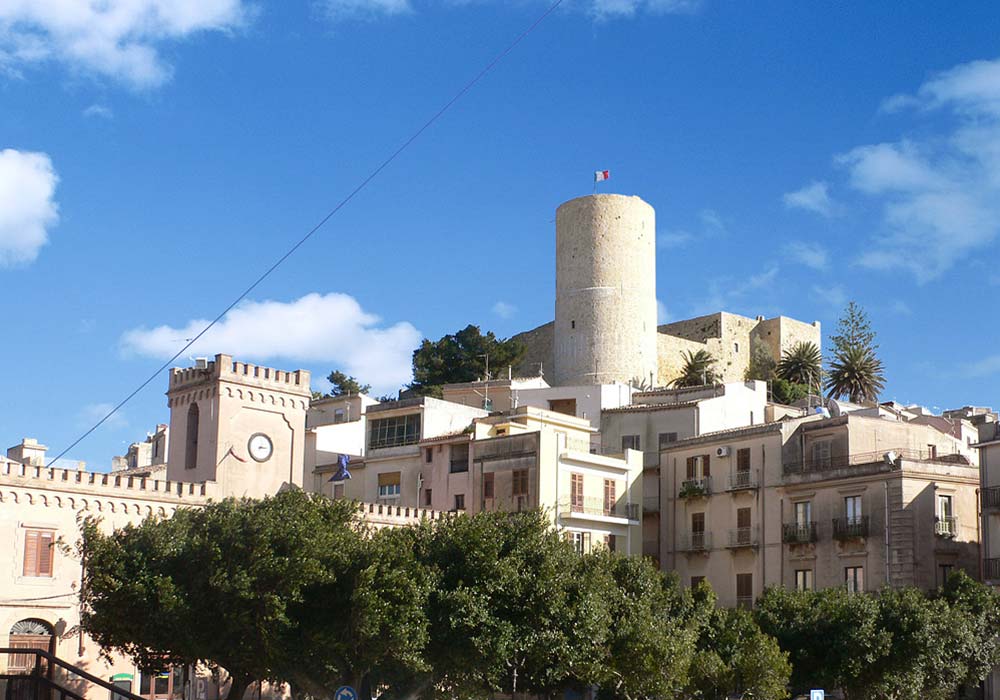
Salemi is located exactly in the middle of the geographical center of the province of Trapani, on the slopes of the Monte delle Rose, 442 meter above sea level. The town played an important role in the history of Sicily. It was in fact in Salemi, on May 14th 1860, where Giuseppe Garibaldi (two days after he landed in Marsala with his mille, his fighting force of about a thousand men) proclaimed his victory on King Francis II.
Like Gibellina in 1968, Salemi was also affected by the earthquake that swept across the Valle del Belice. To regain its former glory, Mayor Vittorio Sgarbi launched an extraordinary plan in September 2008: Salemi’s old center is characterized by narrow streets, small courtyards and several vantage points. At the highest point of the village lies the Piazza Alicia. On this square you’ll see the largely destroyed Chiesa Madre and the Castello which was built in the 13th century on a spot where once stood a Roman fortification.
Calatafimi
Calatafimi was founded in the Arabic period. The Arabs called the place Kalat-al-Fimi, which means “Castle of Euphemius”. In the fourteenth century, the strategic role of Calatafimi was consolidated by strengthening the Byzantine castle and the construction of walls around the city.
On May 15th 1860 a great battle between Garibaldi and his mille (Resistance Army) and the Bourbons took place. The battle, which eventually was won by Garibaldi, was decisive for the organization of Sicily and the unification of Italy. On the hill where the battle took place, a few kilometers away from Segesta and Calatafimi, you can see an obelisk commemorating the soldiers who gave their lives to the unification of Italy. In Calatafimi they are many churches, of which the San Silvestro Papa, built in the 12th century – the Chiesa Madre (“Mother Church”) – and the Chiesa del Santissimo Crocifisso are definitely worth a visit. The last one was even called the most beautiful church in all of Sicily by Goethe, Samuel Butler and Jean Houel. On top of the hill on which Calatafimi was built, you will find the ruins of a medieval castle. From this point you’ll have a beautiful view of the valley and you can see the temple of Segesta, located on the Monte Barbaro. You can combine a visit to Calatafimi with a trip to the town of Salemi.